# Why New Parents Are Rethinking the Classic US Crib Bumper
**Introduction**
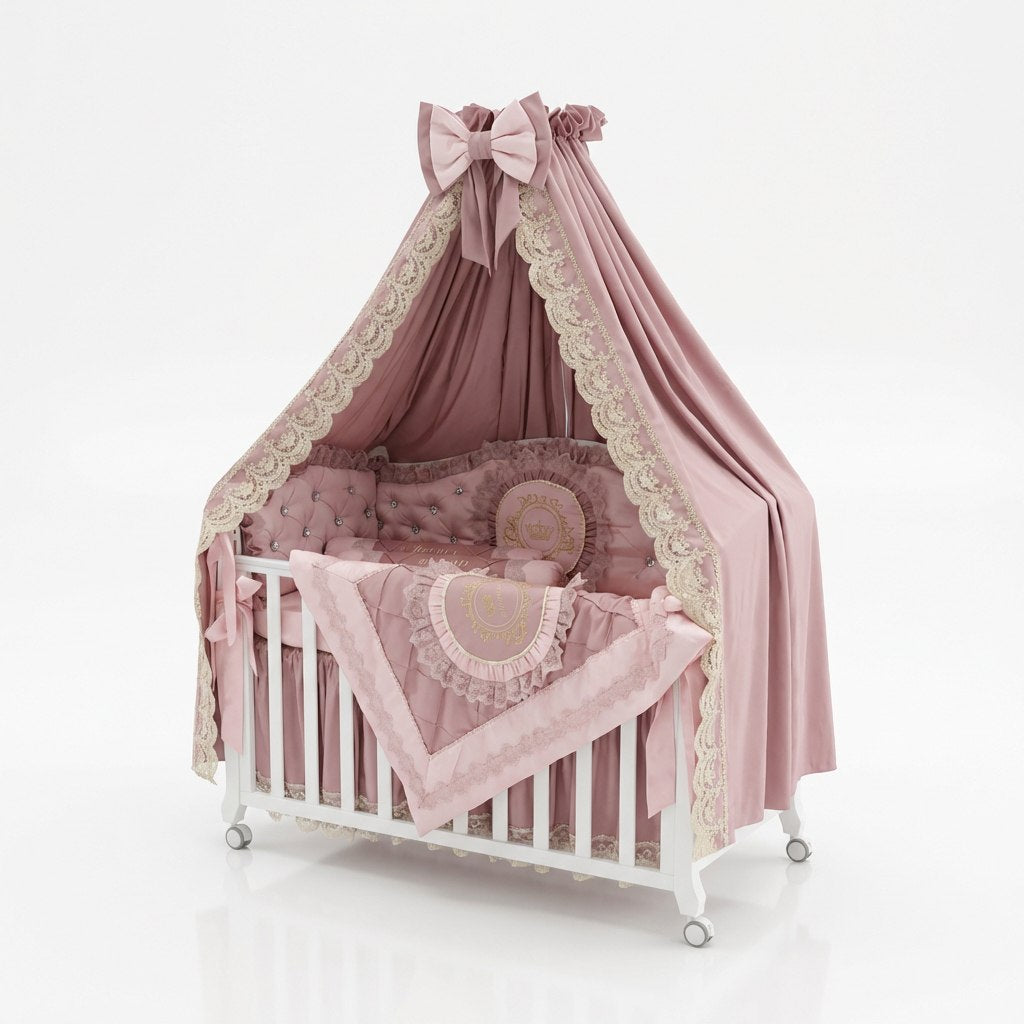
Welcoming a new baby into the home is a season of profound joy and, let’s be honest, a fair amount of research. For generations, the nursery aesthetic was defined by a specific look: a beautiful timber cot adorned with soft, matching fabrics. At the heart of this traditional setup was the classic padded crib bumper. Originally designed to keep a baby’s head from bumping against the hard wooden slats or to prevent tiny limbs from slipping through the gaps, these accessories were once considered a nursery essential.
However, as we move through 2026, the landscape of infant sleep safety has shifted dramatically. What was once seen as a protective cushion is now being viewed through a much more critical lens. New parents are increasingly moving away from these traditional items in favour of safer, more streamlined sleep environments. This shift isn't just a fleeting trend; it is a response to evolving safety standards and a deeper understanding of how infants interact with their sleeping space.
**The Evolution of the Modern Nursery**
In the past, decorating a nursery was often about creating a plush, nest-like environment. The more fabric and padding, the cosier it seemed. Today, the design philosophy has pivoted toward minimalism, not just for the sake of style, but for the health and safety of the child. Parents are now prioritising airflow and visibility over the traditional "closed-in" look that bumpers provided.
When selecting your nursery decor, you might find yourself browsing through various options for **[custom crib bedding](https://bossandbaby.com/collections/personalized-crib-bedding-set)** to find a look that matches your personal style while adhering to modern safety guidelines. While these sets often feature beautiful patterns and high-quality materials, you will notice that the inclusion of thick, padded bumpers has largely disappeared from the collections of safety-conscious manufacturers. This change reflects a broader commitment to the "bare is best" philosophy, which dictates that the cot should be free of any soft objects that could potentially interfere with a baby’s breathing.
**Understanding the Primary Safety Concerns**
The primary reason for the widespread rethinking of the classic crib bumper is the risk it poses to an infant’s respiratory health. Babies, particularly in their first few months, do not have the physical strength to move their heads if they roll into a soft surface. This creates several specific dangers that have led to legislative changes and a shift in parental habits.
**Suffocation and Carbon Dioxide Rebreathing**
Padded bumpers are made of soft, often thick materials. If a baby rolls over and presses their face against the padding, it can block their nose and mouth. Even more concerning is the concept of "rebreathing." Because the padding limits the flow of fresh air around the baby’s face, they can end up breathing in the same air they just exhaled. This air is high in carbon dioxide and low in oxygen, which can be a significant factor in Sudden Infant Death Syndrome (SIDS).
**The Risks of Entrapment**
Beyond suffocation, there is the physical danger of entrapment. Despite their intended purpose of preventing limbs from getting stuck, bumpers can actually create new gaps where a baby could become wedged. If a bumper is not perfectly secured, or if it sags over time, a baby could slide between the mattress and the padding. In these scenarios, the baby may find it impossible to reposition themselves, leading to a dangerous situation.
**The Shift in Legislation and Standards**
The shift in perspective isn't just happening at the kitchen table; it has reached the highest levels of government regulation. In the United States, federal authorities have taken a firm stance by banning the sale and manufacture of padded crib bumpers. This move followed years of data collection and advocacy from paediatricians and safety experts who argued that the risks far outweighed any perceived benefits.
By removing these products from the market, the government has helped standardise the "safe sleep" message. It removes the confusion for new parents who might assume that if a product is on a store shelf, it must be safe. This ban has effectively forced a redesign of the classic American nursery, pushing the industry toward safer alternatives and clearer cot environments.
**Common Myths vs. Reality**
Many parents still feel a lingering worry about the "hardness" of a cot without bumpers. It is a natural parental instinct to want to protect a child from even the smallest bump. However, it is important to separate myth from reality when it comes to cot safety.
**Do Babies Really Get Hurt on Slats?**
The short answer is: not significantly. While a baby might occasionally bump their head against a wooden slat, they generally do not have the force or weight to cause a serious injury. A minor bump might lead to a brief moment of crying, but it is a far lower risk than the potential for suffocation. Furthermore, modern cots are designed with strict regulations regarding the distance between slats, making it much harder for a child to get stuck than it was in decades past.
**The Climbing Hazard**
As babies grow into toddlers, the classic bumper presents a new set of risks. A firm, padded bumper can act as a literal stepping stone. Curious toddlers often use the padding to gain enough height to pull themselves over the top rail of the cot. This can lead to serious falls and injuries that would have been avoided if the cot remained a simple, secure enclosure without any "boosters" inside.
**Designing a Safe and Stylish Sleep Space**
Moving away from bumpers doesn't mean you have to sacrifice the beauty of your nursery. You can still create a stunning, personalised space using safe elements. A firm, well-fitted mattress and a high-quality fitted sheet are the foundations of a safe cot. You can add personality through wall art, rugs, and the furniture itself, rather than through dangerous accessories inside the sleep area.
The "bare is best" approach is now the standard recommendation. This means no pillows, no quilts, no stuffed animals, and certainly no bumpers. While it might look empty to an adult eye, a clear cot is the ultimate luxury for a baby because it provides them with the safest possible environment to rest and grow.
**Conclusion**
The decision to rethink the classic US crib bumper is a testament to the power of informed parenting. By choosing safety over tradition, new parents are ensuring that their children sleep in an environment that reflects the best of modern medical knowledge. The removal of padded bumpers is a simple change that makes a massive difference in reducing sleep-related risks. As we continue to prioritise "bare is best," the nursery becomes not just a place of beauty, but a true sanctuary of safety for the next generation.
**FAQ**
**Why were crib bumpers used in the first place?**
Originally, they were designed to prevent babies from getting their heads stuck between cot slats, which were spaced much further apart in older furniture. Modern safety standards have since narrowed these gaps, making the original purpose of the bumper obsolete.
**Is it safe to use "breathable" mesh liners instead?**
While mesh liners are designed to allow more airflow than padded bumpers, many safety organisations still recommend keeping the cot entirely clear. Any extra fabric in the cot creates a potential risk for entanglement or as a climbing aid for older babies.
**How can I keep my baby warm without a bumper or quilt?**
The safest way to keep a baby warm is to use a wearable blanket or a sleep sack. These are designed to fit securely around the baby’s body, providing warmth without the risk of loose fabric covering their face.
**What should I do if my baby keeps waking up because their legs get stuck?**
This is often a temporary phase as babies learn to navigate their space. Usually, they will learn how to pull their limbs back through on their own, and using a sleep sack can also help keep their legs contained and away from the slats.
**When is it safe to add a pillow or blanket to the cot?**
Most experts recommend waiting until a child is at least 12 to 18 months old before introducing a small pillow or a light blanket. By this age, the child has much better motor control and can easily move objects away from their face.
**Does the US ban apply to second-hand or older bumpers?**
The ban prohibits the sale and manufacture of these items, meaning they should not be sold in shops or on second-hand marketplaces. It is highly recommended that you dispose of any older bumpers you may have to prevent accidental use.
**How can I make the cot look nicer without a bumper?**
Focus on using beautiful, high-quality fitted sheets with interesting patterns or textures. You can also decorate the room with wall decals, mobiles (kept out of reach), and stylish furniture to create a cohesive nursery theme.
**[More information](https://hedgedoc.ffmuc.net/)**